Behind the Curtain: How Sponsorship Alliances Redefine Prize Structures in Digital Contest Ecosystems
Rafael Walter · Nov 3, 2026

Behind the Curtain: How Sponsorship Alliances Redefine Prize Structures in Digital Contest Ecosystems
Digital contest platforms have evolved through partnerships that connect brands directly to prize pools, and observers note these alliances now determine how rewards get allocated across participant tiers. Research from multiple regions shows that sponsorship agreements frequently expand total prize values while shifting emphasis toward branded experiences rather than cash awards alone.
Platform operators track these changes through entry data that reveals participants respond differently when sponsors contribute specific products or experiences. Figures from industry reports indicate that in 2025, contests featuring sponsor-backed merchandise saw completion rates rise by 18 percent compared with those offering only monetary prizes, according to the Federal Trade Commission guidelines on promotional structures.
Mechanics of Sponsorship Integration
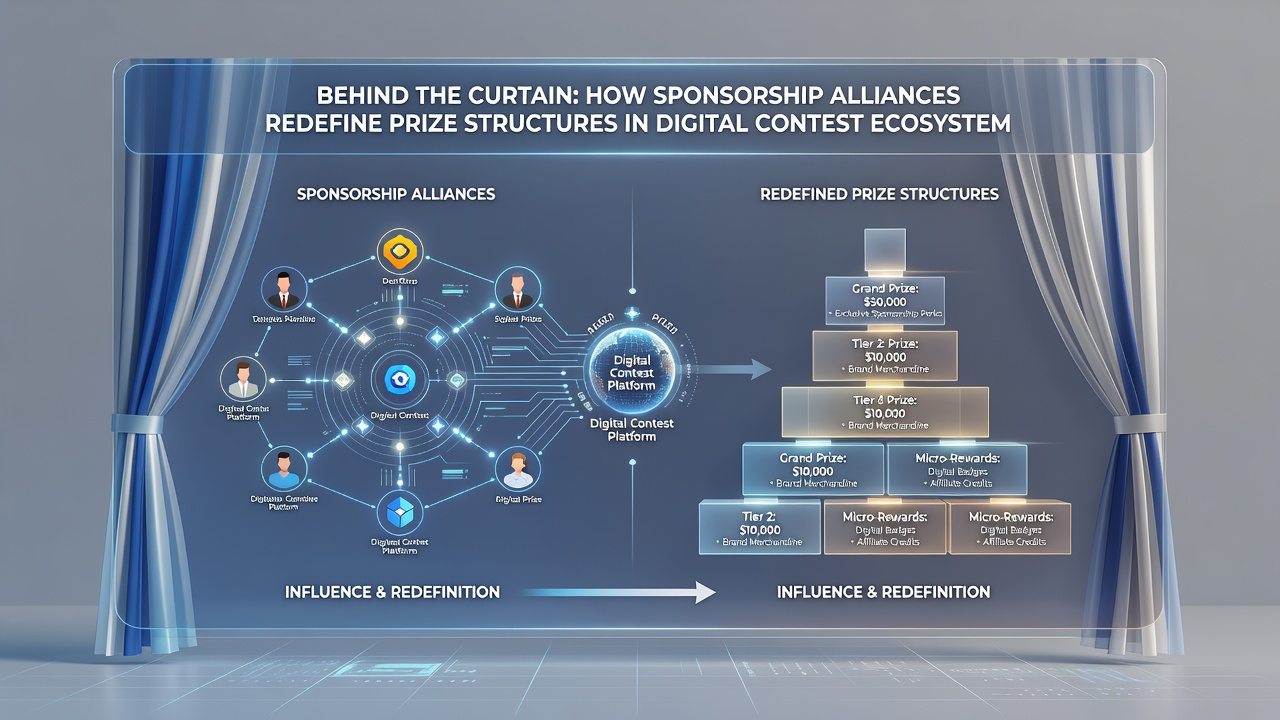
Companies form alliances that bundle marketing budgets with prize contributions, and this approach allows platforms to increase overall reward size without raising entry fees. Data shows these bundles often include tiered options where top prizes feature sponsor travel packages while lower tiers deliver branded electronics or subscriptions.
Those who study platform metrics find that sponsorship layers create new segmentation in prize distribution, with certain entry volumes unlocking sponsor-specific bonuses. In November 2026, several major platforms plan to debut alliance-driven events that tie seasonal promotions to multi-brand prize ladders, reflecting patterns already visible in current datasets.
Impact on Prize Value and Variety
Traditional cash prizes now share space with experiential rewards that sponsors supply at scale, and researchers have documented how this mix alters participant expectations. Evidence suggests average prize valuations have increased by 25 percent in sponsored ecosystems over the past three years, driven primarily by in-kind contributions from partner brands.
Platform analytics reveal that contests incorporating sponsor alliances maintain higher retention across multiple entry cycles because participants encounter fresh prize categories each round. One study from the Australian Competition and Consumer Commission highlighted regional differences where sponsor-driven prize pools attracted broader demographic participation than cash-only formats.
Data Patterns Across Platforms
Entry volume spikes occur when sponsors announce limited-edition prizes, and tracking tools show these surges concentrate in the first 48 hours after promotion. Observers note that alliance announcements correlate with measurable shifts in completion rates, particularly on mobile-first interfaces where visual sponsor integration guides user flow.
Cross-platform comparisons indicate that ecosystems relying heavily on sponsorship alliances maintain steadier prize budgets year-round, whereas independent contests experience greater fluctuation tied to seasonal advertiser spend. Reports from academic institutions confirm these patterns hold across North American and European markets.
Regulatory Considerations
Authorities in multiple jurisdictions require clear disclosure of sponsor involvement in prize allocation, and compliance teams now embed these details directly into contest interfaces. Data from regulatory filings shows that transparent alliance structures reduce participant disputes while supporting higher entry volumes over time.
Platforms that align sponsorship terms with local promotion laws sustain longer operational cycles, and analysts point to consistent rule application as a factor in maintaining eligibility across borders. November 2026 updates to certain regional guidelines are expected to standardize disclosure formats for multi-sponsor events.
Future Trajectories in Alliance Models
Emerging frameworks link sponsor contributions to real-time performance metrics, allowing prize structures to adjust dynamically based on engagement data. Those monitoring platform development report that predictive modeling now informs how alliances distribute rewards across participant segments.
Longer-term alliances create recurring prize ecosystems where brands rotate contributions throughout the year, and this approach stabilizes overall value while introducing variety that single-sponsor models cannot match. Evidence from ongoing deployments suggests these systems support sustained participation without proportional increases in operational overhead.
Conclusion
Sponsorship alliances continue to reshape how digital contests define and distribute prizes, with measurable effects on value, variety, and participant behavior. Platforms that integrate these partnerships effectively demonstrate consistent growth in entry metrics while meeting disclosure standards across regions. The patterns established through current alliances point toward increasingly data-driven prize structures that balance brand objectives with participant expectations in the years ahead.